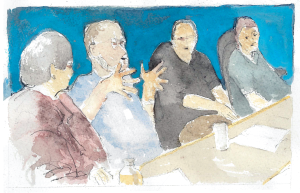
You’ve made the exciting commitment to join a building committee or are considering doing so—congratulations! This experience can be both fulfilling and transformative. You’ll find remarkable opportunities as you work on a building program for your church, non-profit, or community group.
With the right mindset and realistic expectations, you’re about to embark on an adventure like no other. However, there are a lot of issues to think about and prepare for. These might not be obvious, but they are very important. We hope the following observations about what to expect will make your time even more productive:
Change is challenging!
From our decades of experience with hundreds of groups we can assure you the work will present challenges. As a building committee member, you are tasked with implementing a building program which means implementing permanent changes. The places your group knows now won’t be the same anymore. They will, hopefully, be bigger, better, new, and improved.
As a building committee member, your willingness to dedicate time and effort evaluating options and managing choices will help the entire community or congregation embrace change. Your openness to positively embrace each challenge and to find constructive solutions will contribute to how your group members feel about the building project. As a leader, your approach on the building committee will also determine how successful they are dealing with change.
Be ready for surprises
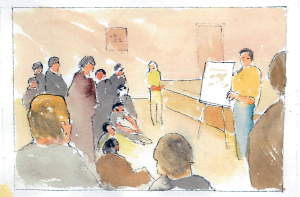
A building program is not a simple process. Be prepared for surprises—whether they involve budget constraints, design priorities, or code requirements. When surprises do arise, you should be able to represent your group and maintain their confidence in you and your committee’s decisions. Be prepared and focus on collaborative problem-solving when issues inevitably surface.
Inclusivity Matters More Than Expertise
You don’t need to be an expert in construction to serve on a Building Committee. While construction experience can be beneficial, its more important to bring and understanding of your community and the individuals who support it. Forming a building committee that includes voices from all parts of your organization is crucial. This effort sounds simple, but it may take work to engage some segments. For example, outreach to younger members may be part of a multi-perspective strategy. During planning and construction, it can be helpful to have some members function formally or informally as bridges to their sub-groups.
Active Participation – Speak Up!
If you have questions or concerns throughout this process, voice them immediately. Inevitably, there will be others who share your curiosity or reservations. Or, if you if you have a question now, it’s likely someone else in the community will have the same issue later in the process. So speaking up right away helps with timely resolutions and leads to better solutions. Conversely, listening deeply to the input of others—even opposing views—can introduce new angles and possible solutions, moving the project forward collaboratively. Engage openly with team members, professionals, and communities to extract valuable insights.
Importance of Contingency Planning
As problems emerge, having contingency plans in place is crucial. Every budget should include a reasonable buffer to cover unexpected costs, allowing flexibility for seizing opportunities or addressing sudden challenges. While it’s tempting to trim these contingencies in tight budgets, doing so can lead to poor choices later on due to financial inflexibility. Plan for contingencies from the outset, consider their responsible use only towards the project’s end, and keep discretionary spending until completion, avoiding unnecessary budget hiccups.
Positive Relationships and Fair Practices
Your selected professionals, contractors, and subcontractors are key players who should be committed to delivering the best for your project while also maintaining their livelihoods. Treat every team member with respect and fairness, recognizing their time and efforts beyond monetary compensation. Resist pressures to undercut contracts or fall into cost-saving extremes that may inadvertently jeopardize your projects, like subcontractor dissatisfaction or project delays. Fair and timely decision-making benefits all parties, fostering smooth progress.
Clear and Open Communication
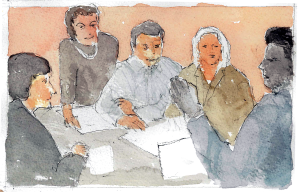
Effective communication among your building committee, community or group, and your professional team is indispensable. Share updates on constraints and opportunities freely and collaboratively. Seek information, provide feedback, and update all stakeholders regularly. Maintain civility and transparency to ensure shared understanding and support.
Remember that different people and groups process information differently. For example, most people don’t read construction plans. Have a ready and approachable way to explain the project and any key issues in ways that non-professionals can understand. Watch out for hidden agendas or unchecked egos. Encourage constructive dialogue and be realistic in setting reasonable expectations.
Collaborating with Architects, Engineers, and General Contractors**
The right general professional team is critical to your project’s success. Choose your team members based on their proven track records, scale-appropriate experience, and solid client testimonials. Make sure there’s good communication between your professionals. Regular interaction and respectful collaboration should be expected, while thoughtful exchange between professionals ensures accountability and mitigation of risks.
**Final Thoughts on Your Committee Role**
Though serving on a building committee involves considerable effort, it promises substantial rewards, taking collective visions and nurturing them into tangible results. As you embark on this journey with determination and shared purpose, remember Heimsath Architects stands ready to support your goals with collaboration, insights, and expertise. Reach out to us to partner on making your building project a successful and inspiring legacy for your organization, community, or congregation.